






In Africa
thousand and one brandlicense
to be exploited
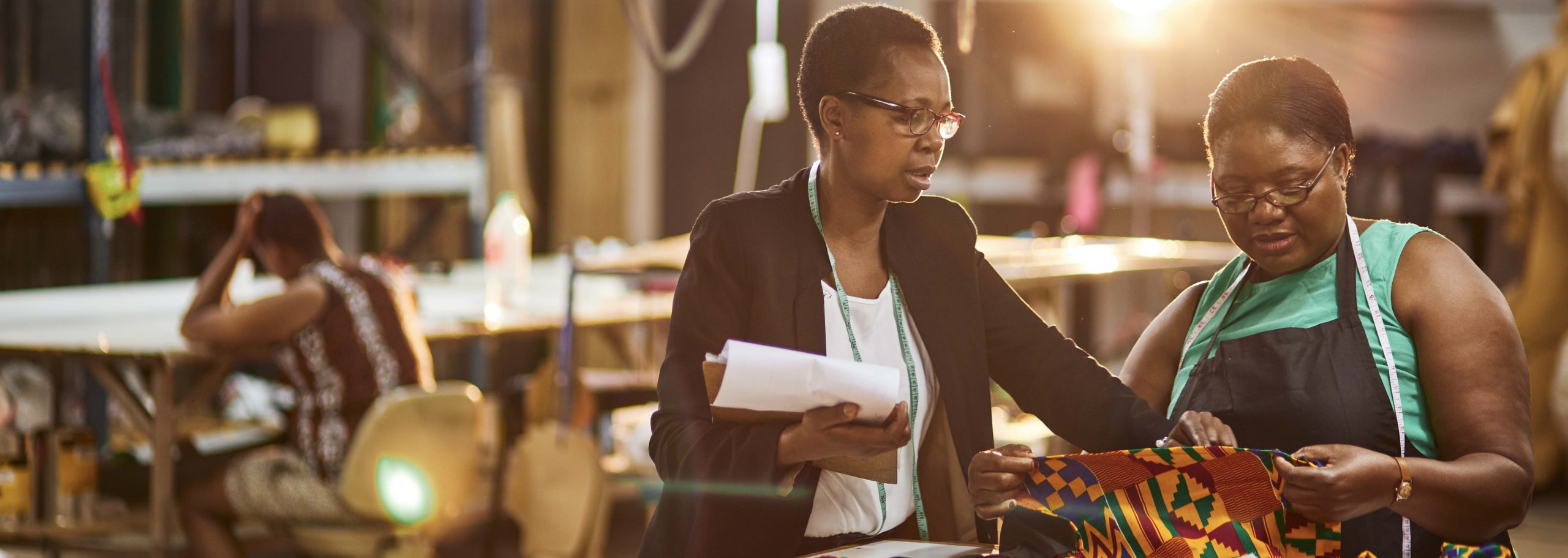
Africa is a continent renowned for its cultural diversity, its ancestral know-how and the richness of its artisanal and agricultural products. Yet these assets are still largely under-exploited, particularly in the field of brand licensing, a mechanism that could transform entire sectors of the African economy into engines of national and international development.
Enhance, exploit,
develop your brand
African know-how: an untapped resource
Whether it’s textiles (such as pagne or bogolan), natural cosmetics (shea, baobab, moringa), arts and crafts (sculptures, jewelry, wooden or metal objects) or emblematic foods (cocoa, coffee, manioc), Africa abounds in unique products and exceptional know-how. These resources are already attracting the attention of international markets, but often in raw or unprocessed form. The potential for processing and marketing under African brands remains largely untapped.
Brand licensing: a strategic tool for value enhancement
In Western economies, brand licensing is a common practice that enables a company to leverage its intangible assets. In this way, a brand can extend its presence in new markets or product categories without necessarily mobilizing its own resources.
For African companies, brand licensing offers several strategic advantages:
1. International expansion: An African brand can license its products to foreign companies for production or distribution, while controlling the associated quality and image.
2. Risk sharing: This approach enables local entrepreneurs to limit their initial investments while increasing their revenues.
3. Enhancing local specificities: Thanks to protected geographical indications or certifications, products such as cocoa from Côte d’Ivoire or Masai pearls can become global brands while remaining locally rooted.

Closing the gap
conquering new markets
Africa’s lag behind the West
In Western economies, major brands such as Disney, Coca-Cola and Nike illustrate the power of licensing, generating billions of dollars through the marketing of products under their name by third parties. This model relies on well-honed intellectual property organization and branding expertise. In Africa, the challenge lies in :
- Entrepreneurs’ lack of awareness of these tools.
- Legal and administrative limits to trademark protection.
- Inadequate distribution and production networks capable of meeting international standards.
Success stories that show the way
However, a few African initiatives show that the potential does exist:
- Shea Origin (Ghana) adds value to shea butter through brands exported under license to Europe.
- Vlisco, although Dutch, works with African motifs and techniques that appeal worldwide. Such an approach could be developed by local players.
- Wax fabrics Made in Africa, which are in the midst of regaining their market share in the face of Asian imports, bear witness to a renewed interest in authentic, branded products.

The keys to unlockingAfrica’s potential

Ways to accelerate development
- Strengthening the legal and institutional framework: It is essential to put in place appropriate legislation to protect brands and guarantee their integrity.
- Supporting entrepreneurs: Specialized incubators could support the creation, development and management of local brands.
- Mobilizing diasporas: These strategic relays can help African products penetrate global markets.
- Public-private partnerships: local companies could benefit from institutional support to access global distribution networks.
Africa lacks neither resources nor talent: it’s time to fully exploit its potential. With the right strategy, African brands could not only rival those of the West, but also redefine global commerce by bringing their authenticity and uniqueness to the table.



Are you a franchisor interested in setting up a stand at the show?
Contact us today!